
Both pawnshops and licensed moneylenders are legal, regulated by the Ministry of Law, and can put cash in your hands the same day. That is where the similarity ends.
A pawnshop lends against an object. A licensed moneylender lends against your income. That single difference drives everything else: how much you can borrow, what it costs, what happens if you cannot repay, and which one is actually right for your situation.
This guide sets out both, side by side, using the current rules.
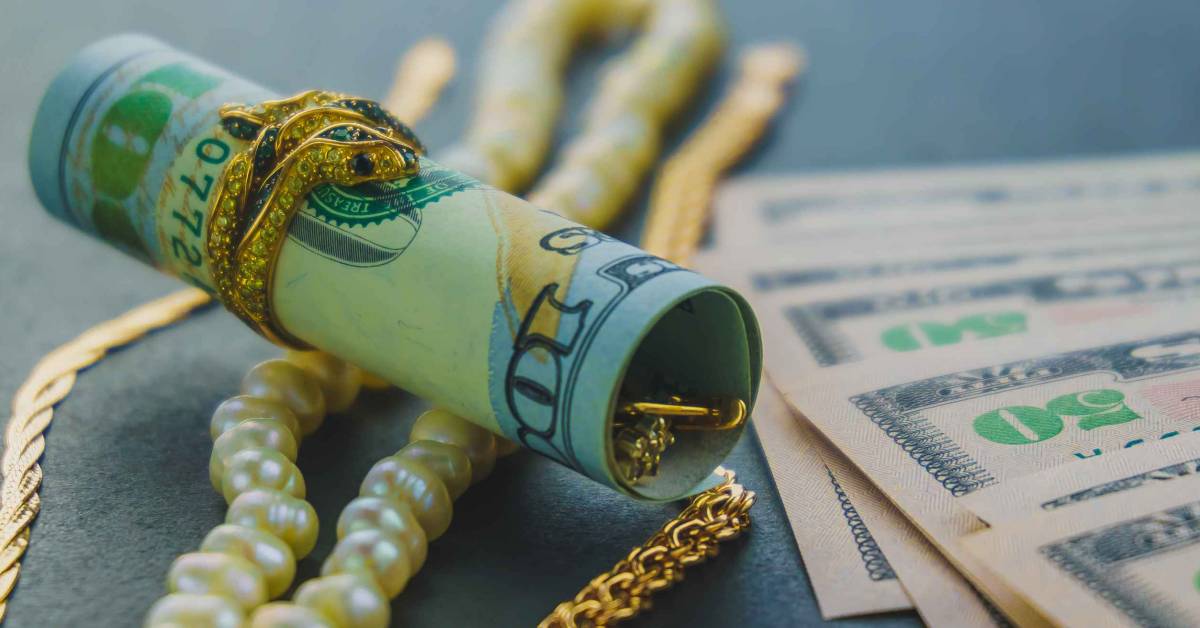
How a Pawnshop Loan Works
You bring in an item of value, most commonly gold jewellery, luxury watches or branded bags. The pawnbroker assesses it and offers a loan against it. You hand over the item, receive cash and a pawn ticket, and you get the item back when you repay the loan plus interest.
There is no income check, no credit assessment and no questions about what the money is for. Your item is the security, so your financial history is irrelevant. This makes pawnshops genuinely useful for people with poor credit, irregular income or no documented income at all.
What it costs
Interest is capped by the Pawnbrokers Act at 1.5% per month, which works out to a maximum of 18% per year. That flat cap applies throughout the loan, and there is no legal first-month or subsequent-month distinction. Some pawnshops run promotions offering a lower rate such as 1% for the first month, but that is a commercial offer, not a statutory tier.
At 1.5% per month, a pawnshop is meaningfully cheaper than a licensed moneylender on a like-for-like basis.
How much you can get
You can only borrow against what the item is worth, and you will not get its full value. On gold, pawnshops typically lend around 60% to 80% of assessed market value, driven by weight, purity and the prevailing gold price on the day. A S$5,000 chain might raise S$3,000 to S$4,000.
If your item is not worth much, neither is the loan. Sentimental value counts for nothing.
The redemption period, and the risk
The minimum redemption period is six months, and it can be extended by agreement between you and the pawnbroker.
Here is the part that people underestimate. Since the Pawnbrokers Act 2015 came into force, public auctions of unredeemed pledges have been abolished. For any pledge taken from 1 April 2015 onwards, if you do not redeem it by the end of the redemption period, the item is forfeited and becomes the absolute property of the pawnbroker.
There is no surplus returned to you. If you pawned a S$10,000 watch for a S$6,000 loan and you fail to redeem it, the pawnbroker keeps the watch. You do not receive the S$4,000 difference.
That risk is the real price of a pawnshop loan, and it is not visible in the interest rate.
How a Licensed Moneylender Loan Works
A licensed moneylender assesses your income and lends unsecured. You keep everything you own. Approval and disbursement can happen within the same day, and the documentation is far lighter than a bank’s.
You will typically need your NRIC or passport, proof of residential address, and proof of income such as recent payslips or your CPF or Notice of Assessment statements. Licensed lenders must meet you face to face at their registered business premises before granting a loan.
What it costs
The Ministry of Law caps every element:
- Interest: maximum 4% per month on the outstanding principal
- Late interest: maximum 4% per month, charged only on the amount actually overdue
- Late fee: maximum S$60 per month
- Administrative fee: maximum 10% of the loan principal, charged once, upfront
- Total charges cap: interest, late interest, fees and charges combined cannot exceed the principal sum
That last cap is a genuine borrower protection. However long the loan runs and however badly it goes, the total you can be charged on top of the principal cannot exceed the amount you borrowed.
Rates in practice start from around 1% per month and go up to the 4% ceiling depending on your profile.
How much you can get
Unsecured borrowing limits are set by income and residency, and they apply across all licensed moneylenders combined, not per lender:
| Borrower’s annual income | Singaporeans and PRs | Foreigners residing in Singapore |
| Less than S$10,000 | Maximum S$3,000 | S$500 |
| At least S$10,000 and less than S$20,000 | Maximum S$3,000 | Maximum S$3,000 |
| At least S$20,000 | 6x your monthly income | 6x your monthly income |
Someone earning S$4,000 a month can therefore access up to S$24,000 unsecured. Secured loans have no statutory amount cap.
What happens if you cannot repay
You do not lose an asset, because none was pledged. What happens instead is that late interest and late fees accrue, subject to the caps above, and the lender may pursue recovery through legal channels. Licensed moneylenders are bound by regulated collection practices and cannot harass, threaten or intimidate you.
Side by Side
| Pawnshop | Licensed moneylender | |
| What you borrow against | An item you pledge | Your income |
| Maximum interest | 1.5% per month | 4% per month |
| Other charges | Regulated under the Pawnbrokers Act | Admin fee up to 10% of principal, late fee up to S$60/month |
| Total charges cap | Not structured the same way | Total charges cannot exceed the principal |
| How much you can get | 60% to 80% of item value, typically | Up to 6x monthly income if you earn S$20,000+ a year |
| Credit or income check | None | Yes |
| Speed | Same day | Same day |
| Risk if you cannot repay | Item forfeited entirely, no surplus returned | Late interest and fees, recovery action, no asset lost |
| Regulator | Registry of Pawnbrokers, MinLaw | Registry of Moneylenders, MinLaw |
Which One Should You Choose?
A pawnshop makes sense when
You own something genuinely valuable that you can afford to be without, and ideally that you would be willing to part with permanently. The amount you need is comfortably within 60% to 80% of its value. You have no income documentation, or your credit history rules out other options. And you are confident you can redeem within the period, or you have made peace with losing the item.
The low interest rate is real, and for a short loan against an item you will definitely redeem, a pawnshop is the cheaper choice.
A licensed moneylender makes sense when
You need more than your possessions are worth. You have documented income. You do not own anything you are prepared to risk. Or you want a defined repayment schedule over several months rather than a lump-sum redemption deadline hanging over an asset.
The interest is higher, but you are not putting property on the line, the amount available scales with your income rather than your jewellery box, and the total-charges cap limits your worst case.
The comparison people get wrong
Comparing 1.5% against 4% and stopping there misses the point. The rates are not measuring the same risk.
The pawnshop rate is low precisely because the pawnbroker already holds something worth more than the loan and keeps it outright if you default. You are paying a lower rate in exchange for accepting a much harsher failure outcome. The moneylender rate is higher because the lender holds nothing, and the worst case for you is a debt, not the loss of an asset worth more than what you borrowed.
Price the risk, not just the rate.
Staying Safe Either Way
Whichever route you take, verify the operator first. Licensed moneylenders appear in the Registry of Moneylenders and pawnbrokers in the Registry of Pawnbrokers, both on Ministry of Law websites. Anyone not on those registries is operating illegally.
Warning signs of an illegal operator include approval by SMS, WhatsApp or phone call before you have submitted an application and met in person, requests for your SingPass credentials, retaining your NRIC or passport, asking you to sign a blank or incomplete contract, withholding part of the principal beyond the permitted administrative fee, and any threatening or harassing language.
Licensed moneylenders may photocopy your identification but must not keep the original. All loan terms must be explained to you, in a language you understand, before you sign.
If you encounter illegal moneylending, report it to the police at 1800-255-0000 or online at www.police.gov.sg.
Frequently Asked Questions
Is a pawnshop cheaper than a licensed moneylender?
On interest alone, yes. Pawnshop interest is capped at 1.5% per month against 4% per month for licensed moneylenders. But the pawnshop secures the loan with your item, and if you fail to redeem it, the item is forfeited in full with no surplus returned, which can cost far more than the interest saved.
Do I get money back if my pawned item sells for more than my loan?
No. For pledges made from 1 April 2015 onwards, unredeemed items are forfeited and become the absolute property of the pawnbroker. Public auctions were abolished and there is no surplus paid to the pawner.
How long do I have to redeem a pawned item?
The minimum redemption period is six months. It can be extended by agreement with the pawnbroker, so speak to them before the deadline rather than after it.
How much will a pawnshop lend against gold?
Typically around 60% to 80% of assessed market value, depending on weight, purity and the gold price on the day. Assessment practices vary between pawnbrokers, so it is worth getting more than one quote.
Can I borrow from a licensed moneylender with bad credit?
Licensed moneylenders assess income rather than relying on a bank-grade credit score, so approval is generally more accessible than at a bank. Your existing borrowing across all licensed moneylenders counts toward the statutory limit, however, so it is not unlimited.
Do I need to pledge anything to a licensed moneylender?
Not for an unsecured loan, which is the standard product. Your loan amount is set by your income and residency status instead, up to six times your monthly income if you earn at least S$20,000 a year.
How do I check whether a lender is licensed?
Search the Registry of Moneylenders on the Ministry of Law website for moneylenders, or the Registry of Pawnbrokers for pawnshops. Both are free, public and current. Also visit the physical office, since licensed operators work from registered premises and must display their licence.
Need cash without pledging your valuables? Visit CashMax Credit Pte Ltd at 810 Geylang Road, #01-56 City Plaza, Singapore 409286. Licensed by the Ministry of Law (Licence No. 73/2026), we provide fast cash loans with transparent terms and competitive rates. Call +65 6221 5480 or email admin@cashmax.com.sg.
Opening Hours:
Monday to Friday: 11am to 7pm
Saturday: 11am to 6pm
Closed on Sunday and Public Holidays
*This article is general information and not financial advice. Statutory caps and limits are accurate as at July 2026 and may be revised. Verify current rules with the Ministry of Law and borrow only what you can repay.*